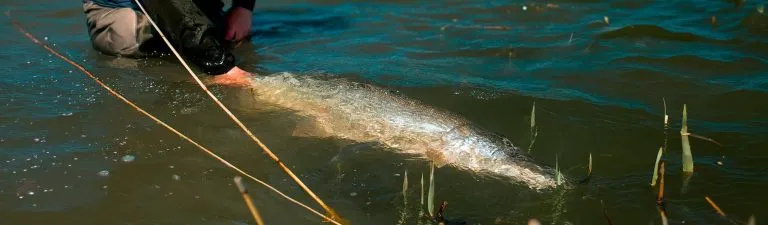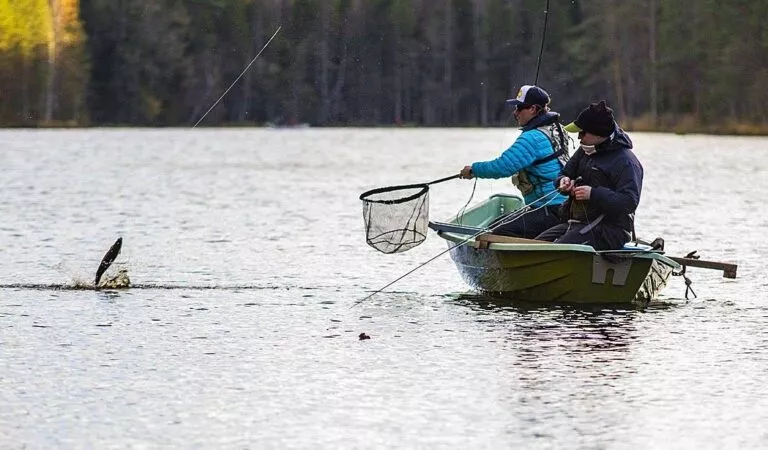
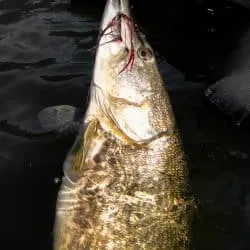


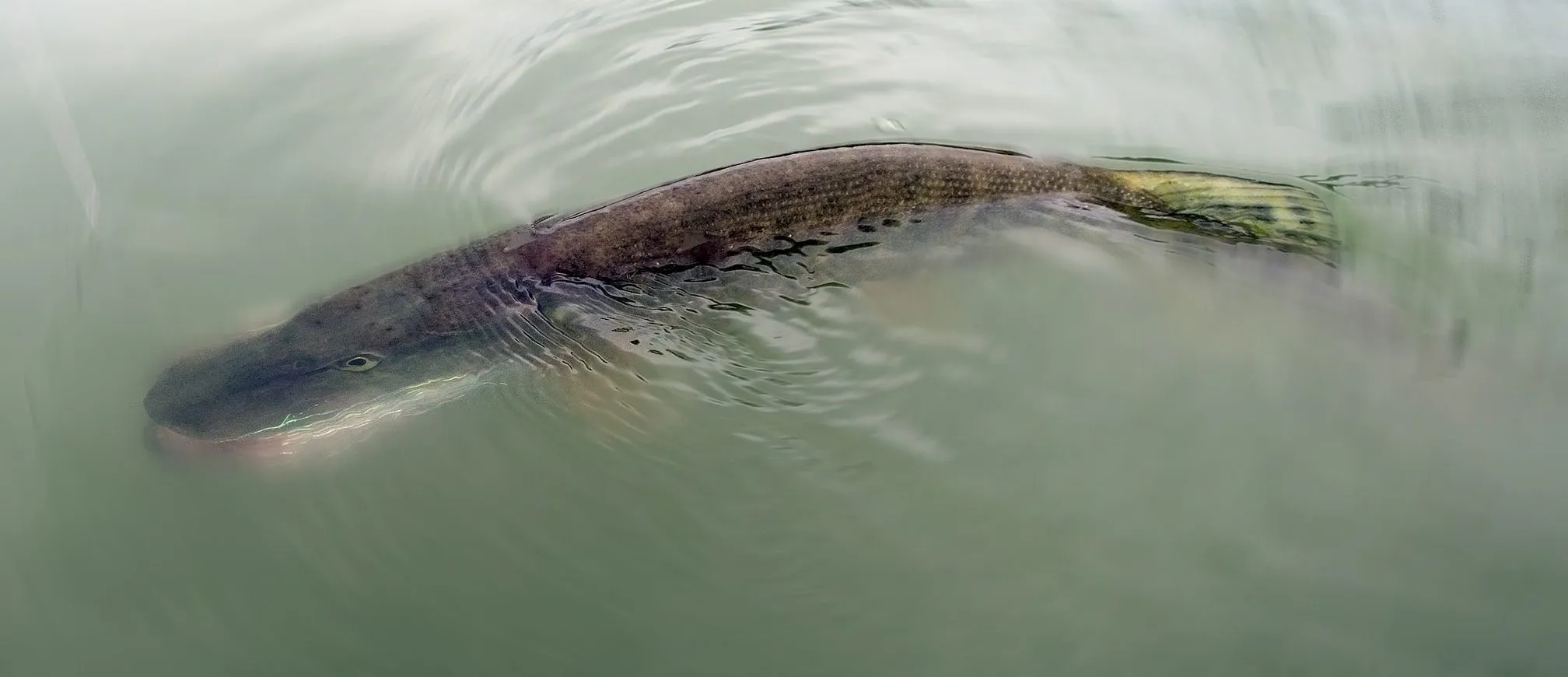
For me, autumn is the main course of the pike fishing year. The water starts to cool, the pike feed with purpose, and every day on the water can bring the kind of strike you remember for a lifetime. Here is my playbook for autumn pike fly fishing – from finding the fish to fly selection and retrieve tactics.
Text: Jari Koski
Pictures: Jari Koski, Sami Passoja, Mika Oraluoma, Jarkko Suominen
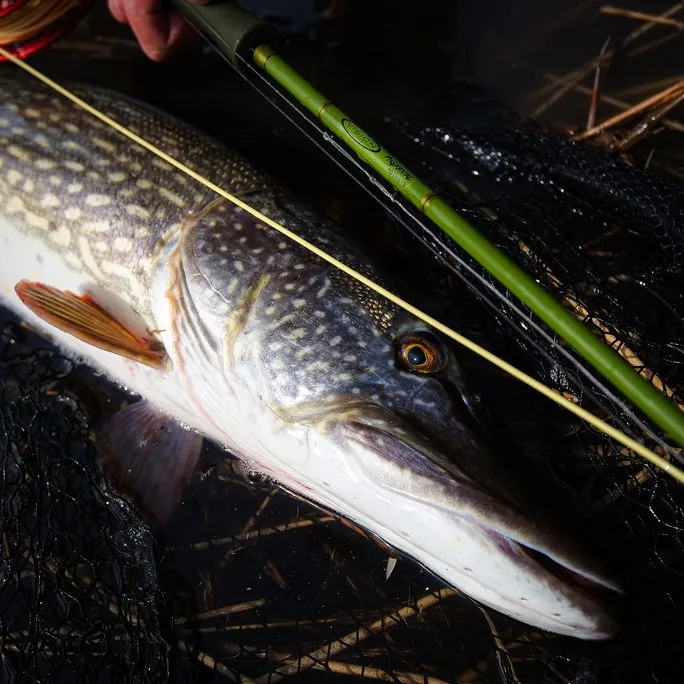
As summer starts to fade, the leaves begin to turn into their beautiful autumn colors, and the water temperature starts to drop; it is time to start thinking about pike fishing once again. The warm-water season is coming to an end, and the pike are gradually changing their behavior as they prepare for the colder months ahead.
For me, autumn is the main course of the pike fishing year. The season is often more predictable and usually much longer than the other prime periods of the year. The fish are feeding actively, and the changing conditions can create some fantastic fishing..
Where to find autumn pike
This is very location-specific, but on the spots where I like to fly fish for pike, the fish can often be found in very “fly friendly” areas.
Earlier in the autumn, the most interesting areas are often bigger, wider bays with plenty of vegetation, steeper banks with vegetation and preferably an island or two, rocky areas or a combination of all of these. Vegetation provides shelter for baitfish and gives pike excellent ambush points. Finding a place that has all these elements, plus some moving water, can also be superb earlier on in the season.
As the season progresses and the vegetation starts to die off, the fish gradually move towards reed banks and more sheltered, secluded bays. The exact timing varies from year to year and spot to spot, so keeping an eye on water temperature, baitfish and the condition of the vegetation can tell you a lot about where the pike are likely to be.
Wind can also be your friend. Windblown shores can concentrate baitfish and create some of the best feeding situations of the day.
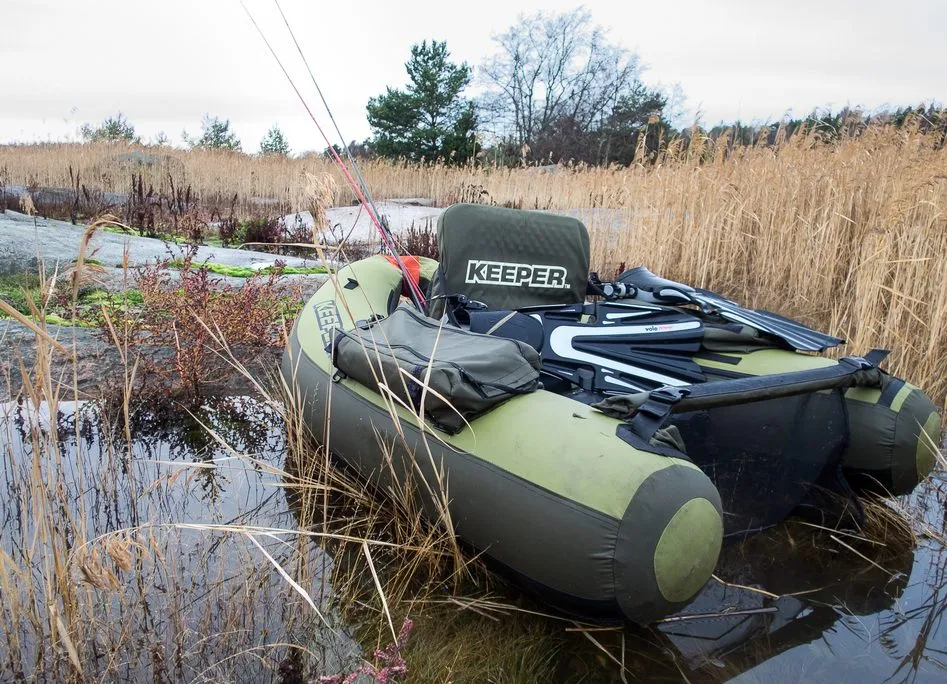
How to fish for autumn pike on the fly
Compared to the warmer months, I usually start slowing things down as autumn progresses. But this does not mean that the same retrieve works throughout the whole season.
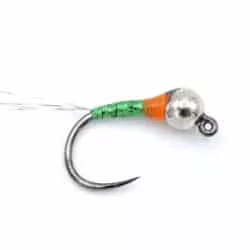
Early autumn can still be very active. The water is relatively warm and pike can be aggressive, which makes faster retrieves and actively moving flies very effective. This is also when I like to use jigging-style flies. Their erratic movement can trigger aggressive strikes, especially when the pike are actively hunting around vegetation and deeper.
As the water gets colder, I usually slow things down and start adding longer pauses to the retrieve. A few faster strips followed by a longer pause can be deadly, especially when the fly suddenly stops and starts to wiggle…
The pause is often when the pike decides to strike.
Do not be afraid to experiment with different retrieve speeds throughout the day. Some days the fish want a fly a bit faster, while on most days a slow, steady retrieve with longer pauses can produce the biggest fish. The big mama’s usually like it slow.
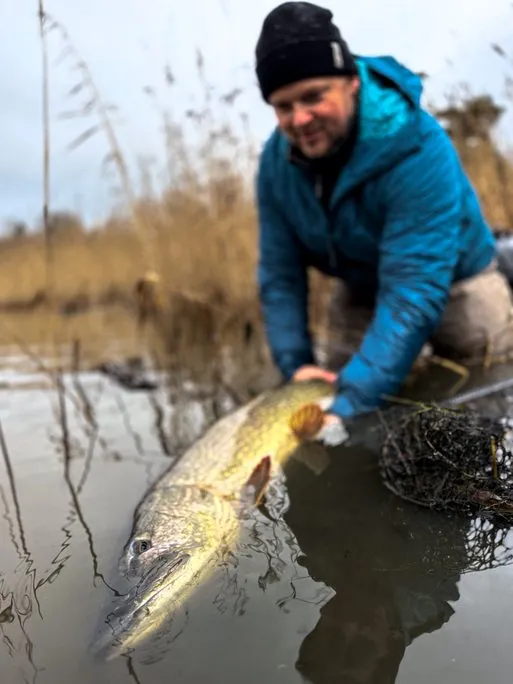
Choosing the right fly size: Don’t be afraid to go smaller
One of the biggest mistakes is to think that autumn always means throwing the biggest fly possible.
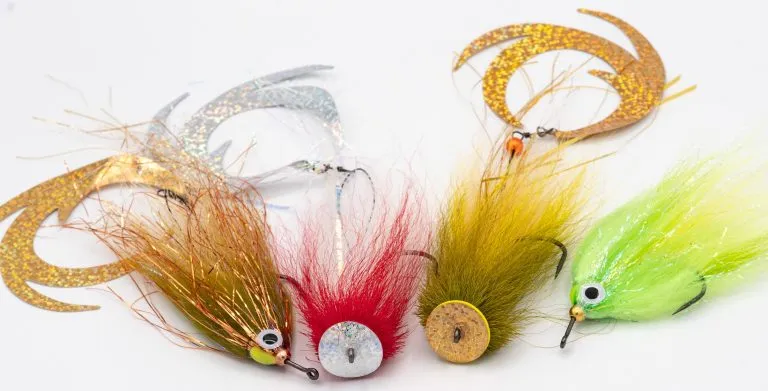
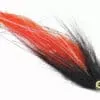
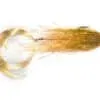
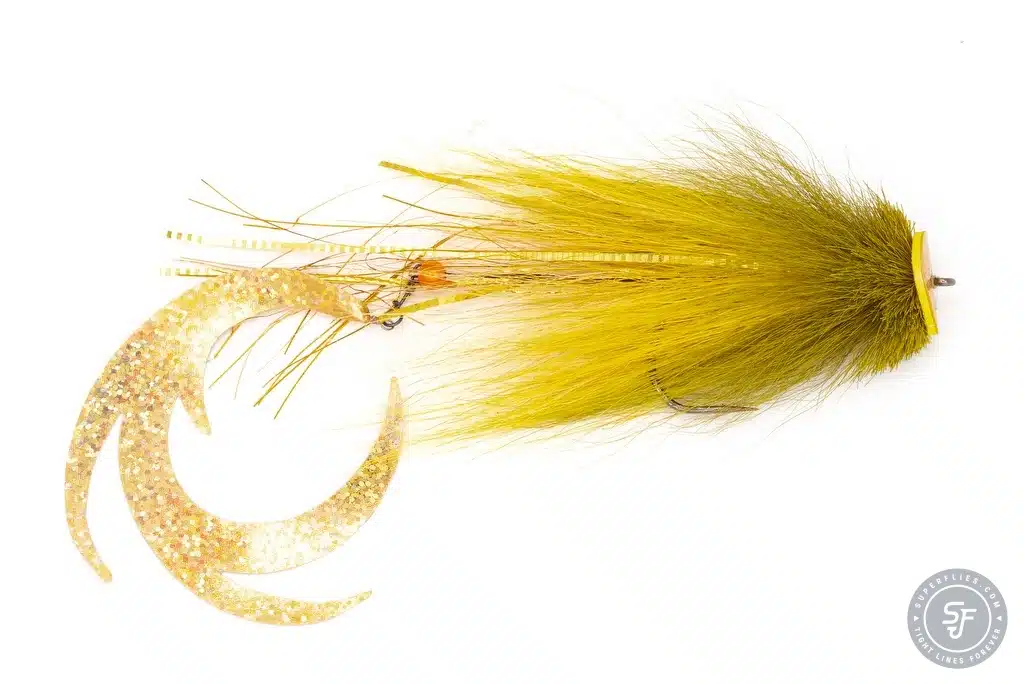
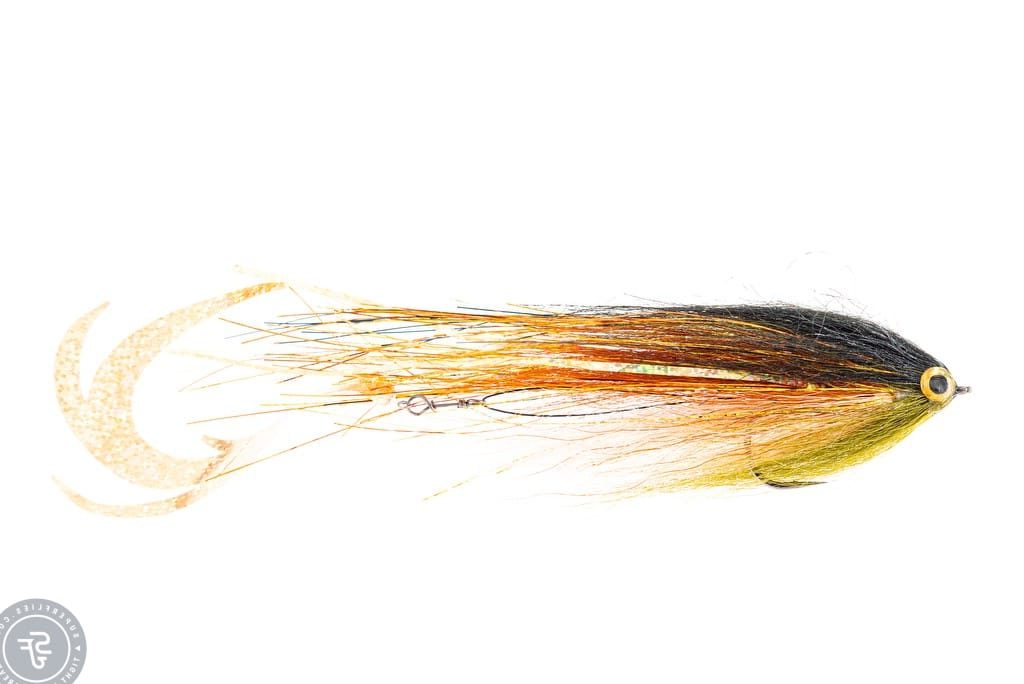
Early in the fall season, I often use a mix of small to normal-sized pike flies and jigging flies. Jigging flies and other more compact patterns can be extremely effective, especially when pike are feeding actively and chasing smaller prey. Great options are our Hollow Tinsel Deceiver, Hollow Deceiver Black & Red and Pike Jig Dragontail
A smaller (normal) pike fly can be incredibly effective when the fish are focused on small baitfish or other smaller prey.
A smaller fly also does not mean that you are only catching small fish.
Pike have no problems attacking smaller flies, and smaller patterns are often easier to cast, easier to fish actively and can be just what the fish are looking for.
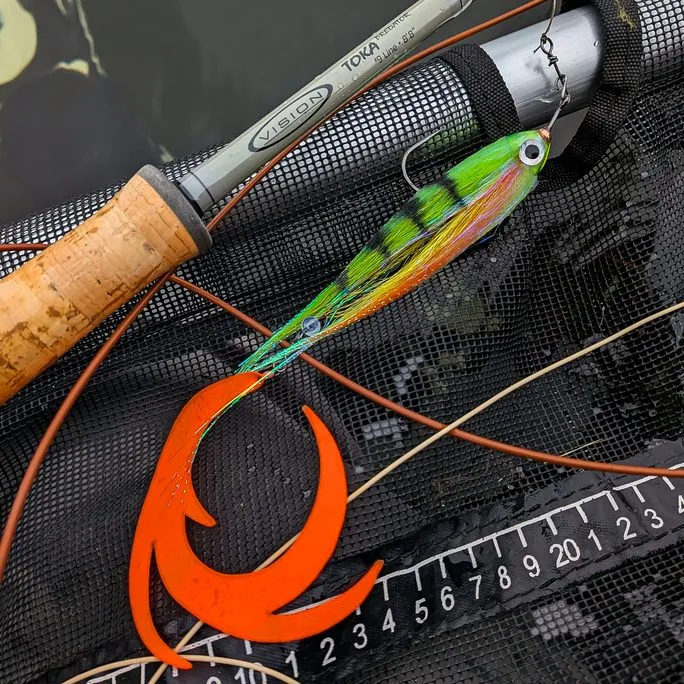
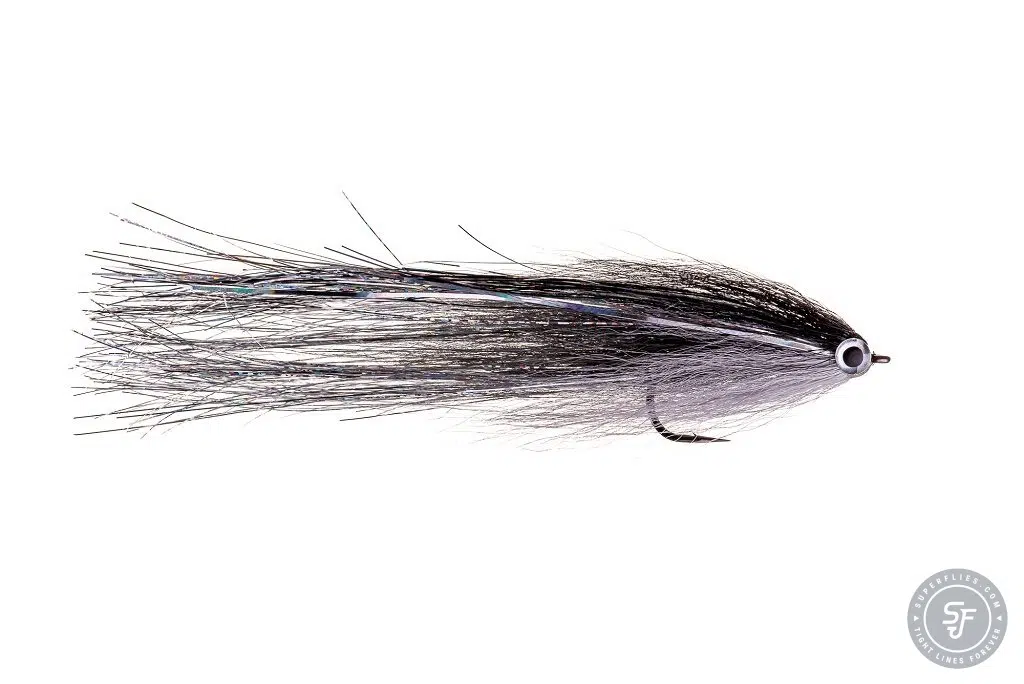
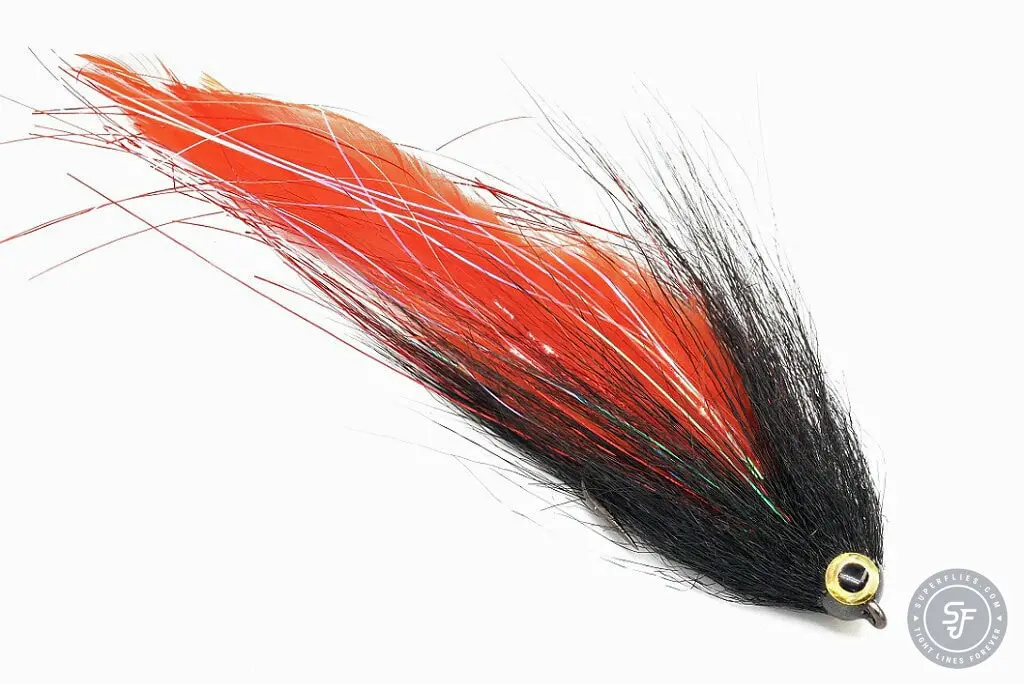
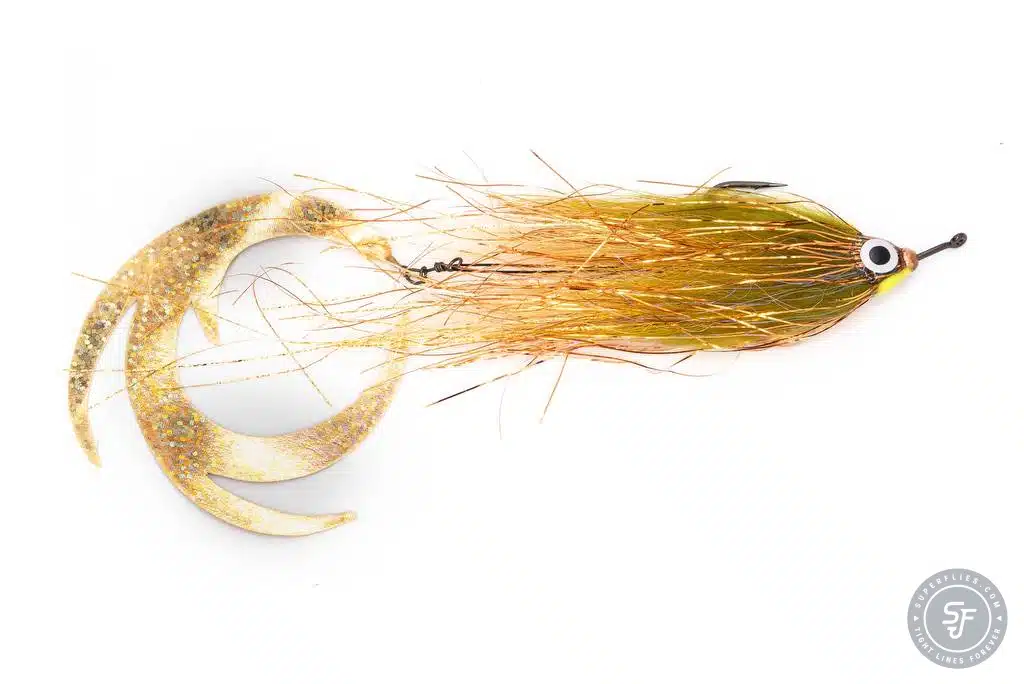
As autumn progresses, bring out the big flies.
Later in the autumn, when the water gets colder and the pike start feeding heavily in preparation for winter, I like to bring out some of the bigger flies again. Great options are our Pike Beast, Waterpushing Dragontail Dirty Roach and Dragontail Pike Fly
I prefer flies that have plenty of movement without becoming unnecessarily difficult to cast. A good big pike fly should have a convincing profile and still be manageable to cast accurately after a long day of fishing.
But bigger is not always better. Let the fish tell you what they want.
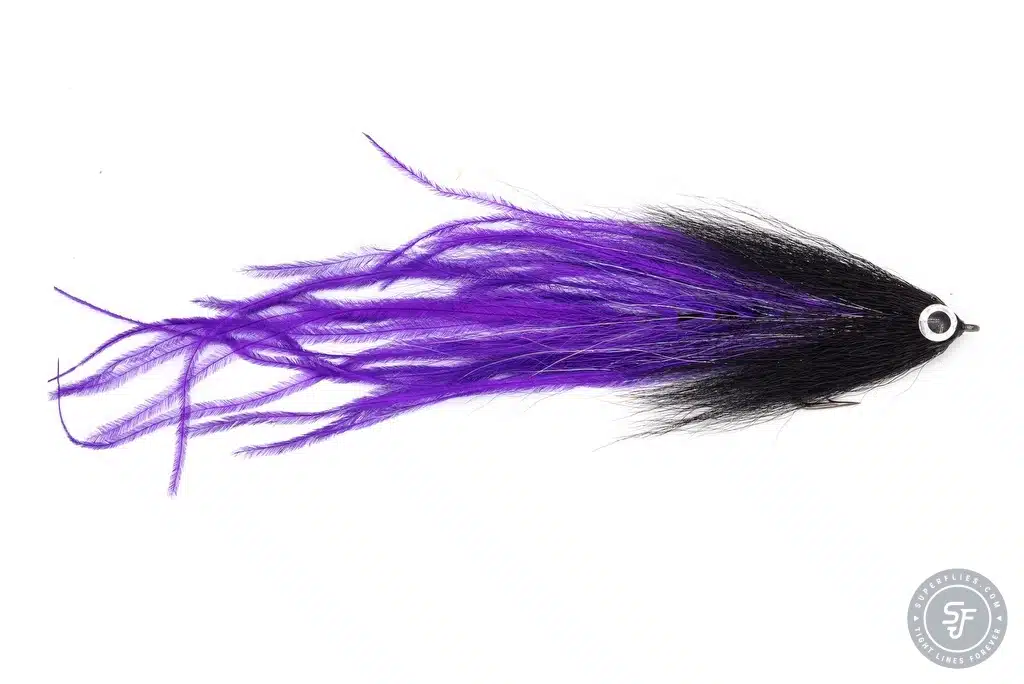
Fly color can make a difference
Color can also play an important role during autumn pike fishing.
Natural baitfish colors are always a good starting point, especially in clear water and good light. Brighter or darker patterns can become more useful when the water is colored, the sky is overcast or visibility is otherwise poor.
I like to carry a selection of natural, dark and brighter flies and change them depending on the conditions and how the fish react.
Floating or sinking line?
Both have their place during autumn.
When the fall season starts, a sinking line is very important. It allows you to keep the fly in the strike zone for longer and reach pike that are not willing to move all the way up to the surface.
A floating line is an excellent choice when pike are holding in shallow water or feeding around reed edges and vegetation. Most of my late autumn fishing is done with a floater.
I like to carry both and switch between them depending on the depth, the location and the behavior of the fish.
Look for the bait
As with pike fishing throughout the year, finding the food is usually more important than finding the perfect-looking spot.
Roach, bleak, bream and other baitfish can gather in large numbers during autumn. If you find concentrations of baitfish, spend some time fishing the area properly before moving on.
Sometimes the most promising looking reed bank is completely empty, while a seemingly ordinary piece of shoreline can be packed with baitfish, and pike. Remember that the baitfish are not always packed on the windward side of the bay.
The more time you spend on the water, the easier it becomes to recognize these patterns. Pay attention to where you find baitfish, what the vegetation looks like, water temperature, and how the wind affects different areas.
The best parts of autumn pike fishing
There is something special about autumn pike fishing. The air gets colder, the vegetation starts to change and the pike are feeding hard before winter.
For the fly angler, it offers an incredible variety of fishing. Early autumn can mean smaller flies, jigging patterns and aggressive retrieves. As the season progresses, the flies can get bigger, the retrieves slower and the fish increasingly concentrated in predictable areas.
And sometimes the best fly of the day might be a smaller, “normal” pike fly that you would never have expected to work.
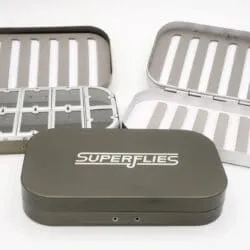
So bring a good selection of flies. Carry both floating and sinking lines, look for the bait and adjust your retrieve to what the fish are telling you.
And when that big autumn pike finally smashes your fly, hold on tight!!