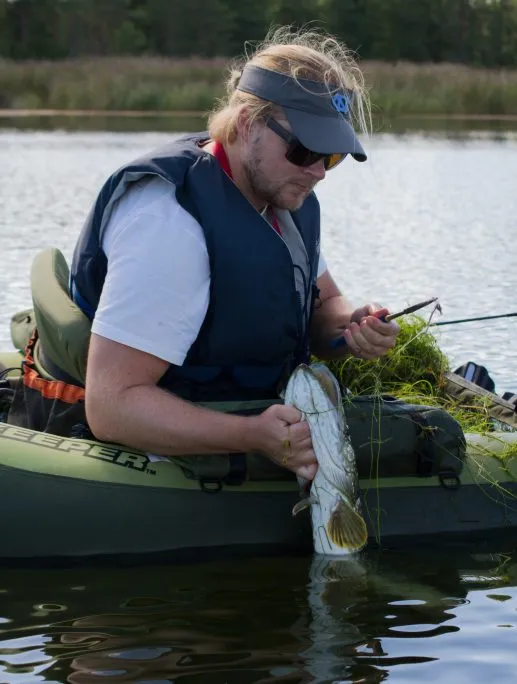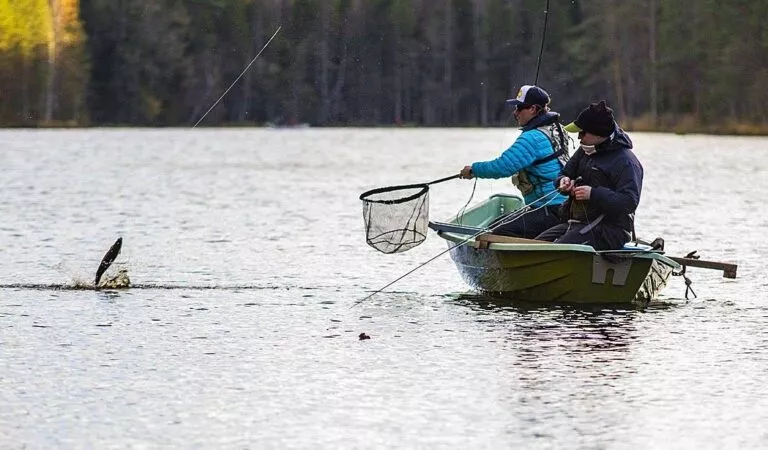

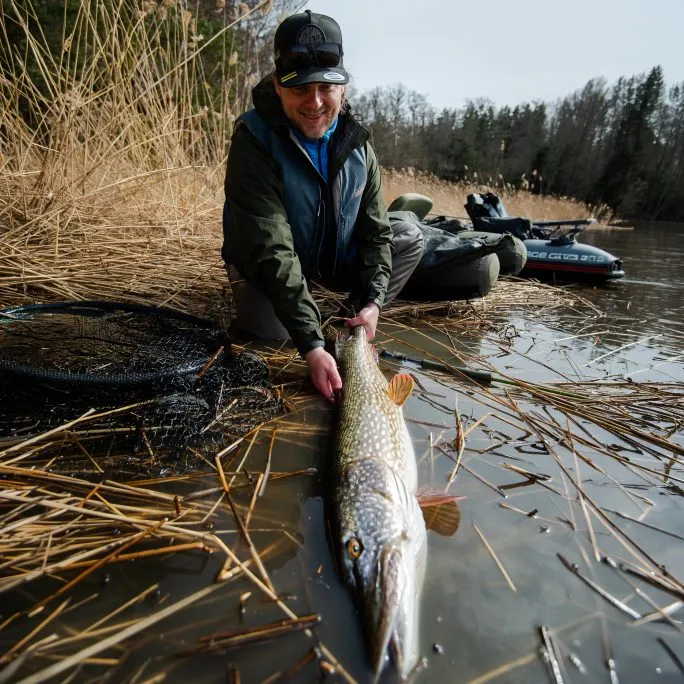
Post-spawn can be one of the most rewarding windows in the pike fly fishing season. But what are the keys to success in Finland’s Baltic Sea archipelago? Here’s a guide to one of the highlights of the pike fly fishing season, characterized by warming weather and aggressive takes from big, hungry pike: where, how, and with what kind of pike flies.
Text: Jari Koski
Pictures: Jari Koski, Sami Passoja, Mika Oraluoma
I’m on a well-earned break from pike fly fishing after spending many weeks chasing big pre-spawn mamas. It’s time to give the fish a bit of a breather and let them do their business. This is a perfect time to do some well-overdue maintenance on your fishing gear and stock up on pike flies so you are true and ready when the fishing continues. This break also gives me the chance to share some of my tips and tricks on the sport.
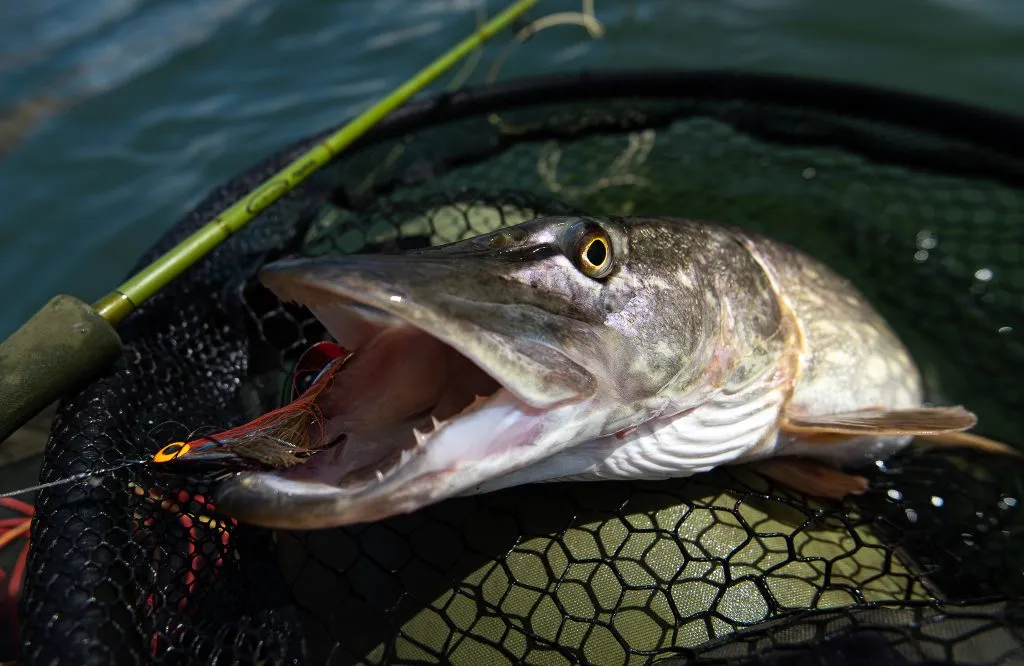
The post-spawn period is a relatively long and sometimes very fruitful time of the pike fly fishing year. It’s a time period when we switch out our cold water tactics and flies and start doing things a bit differently. I’ll start off this article by going through some of my tactics before getting into the main course, which is the pike flies I use.
P.S.. Even though I’m writing this article with the Finnish Archipelago in mind, these tactics are pretty universal. So don’t be afraid to give them a go regardless of where you fish.
Where to fish:
There are three area types that I like to focus on this time of the year:
First is just outside the spawning grounds. Shallow back bays warm up quickly, and if they hold spawning roach, bream, or other pike bait, these areas can offer fantastic, high-intensity pike fly fishing on a floating line. Be ready to fish the shallowest spots. The key is to find the spots that hold the baitfish.
The second type is the steeper and deeper “wind reeds” that can usually be found outside the spawning bays, closer to deep open water. Using sinking lines and flies that sink a bit faster is crucial. Just like with the first spot type, you need to find areas that hold big masses of bait to be successful.
The third and my favorite type is fishing secluded bay areas that have very narrow access points to the surrounding deeper water areas. These areas warm up quickly and don’t get a push of cold water from the surrounding deep water like the more open type one areas. This type of water can offer both fantastic floating line shallow water fishing and great sinking line pike fly fishing in the more open spots, especially when you start getting the first push of fresh vegetation on the bottom.
How to fish:
The beauty of this time of the year is you get to fish with a much more aggressive attitude than in the pre-spawn season. You get to shed all the, to be honest with you guys, pretty boring tactics of the pre-spawn time and actually fish your flies and not just stand still and wait for the bite:).
As the water warms up, you should start stripping your pike flies faster. The strip, strip, strip, mini-pause, strip, strip, longer pause tactic works extremely well. So, even though you should strip your flies faster, you should never forget about the pauses. They are usually the part of your cast that actually makes the fish hit your fly.
As the water temperature rises, it’s worth starting to fish your flies a bit farther out from the reed banks. Many productive reed areas begin to develop ideal vegetation beyond the main bank, drawing pike into these zones as the season progresses. The water here tends to be more oxygen-rich, while the bottom growth holds plenty of baitfish – making it a prime feeding area.
What flies to use:
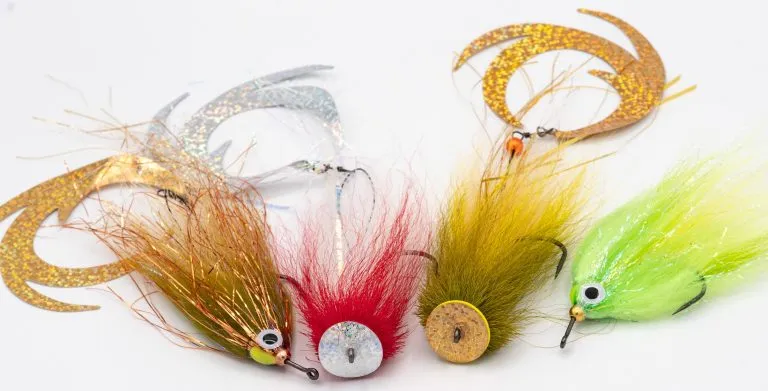
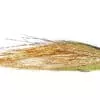
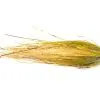
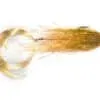
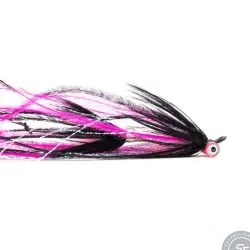
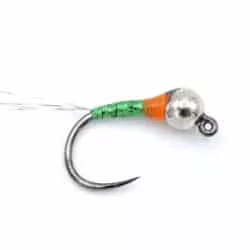
I like to move away from the oversized pike flies I fish in early spring and late fall, switching instead to slightly smaller patterns as we go to the post-spawn season. For me, downsizing and using flies with a livelier, more dynamic action in the water has proven very effective. I also like to change to more natural-looking/dull color combos. Pike flies like the Hollow Tinsel Deceiver and Skitmört work amazingly well as the standard options, and flies like the Pike Jig and Pike Jig Dragontail offer the perfect dynamic options.
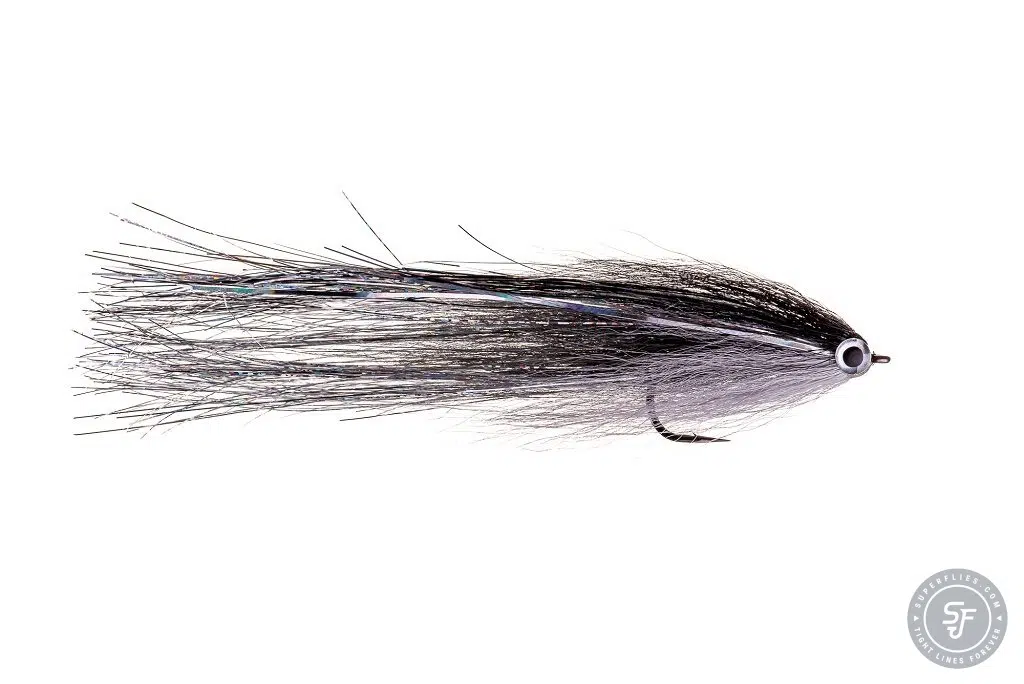
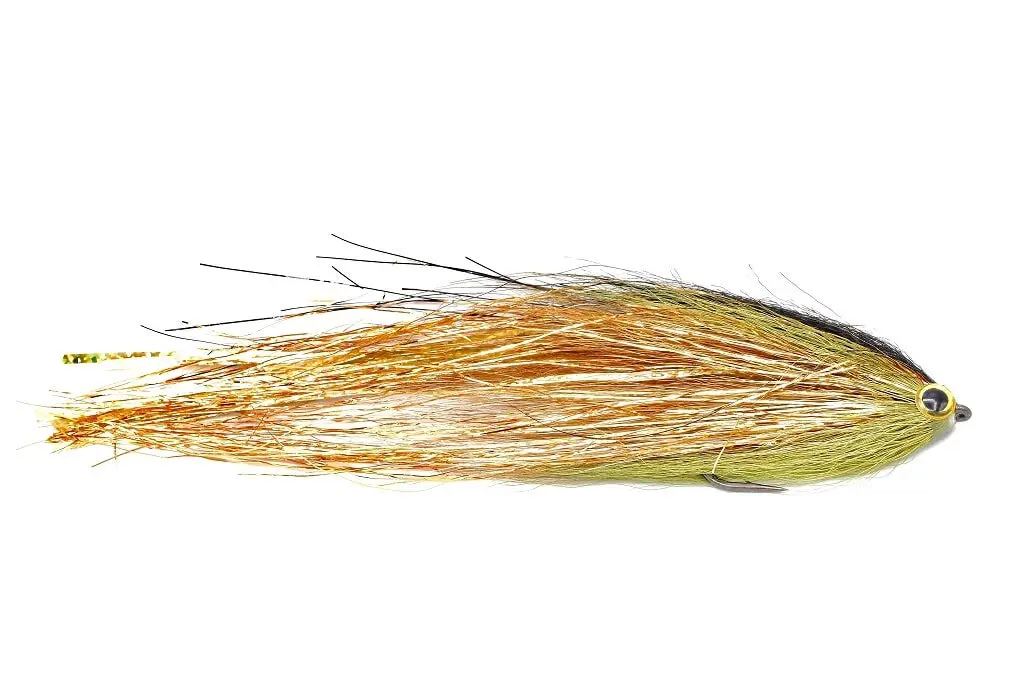
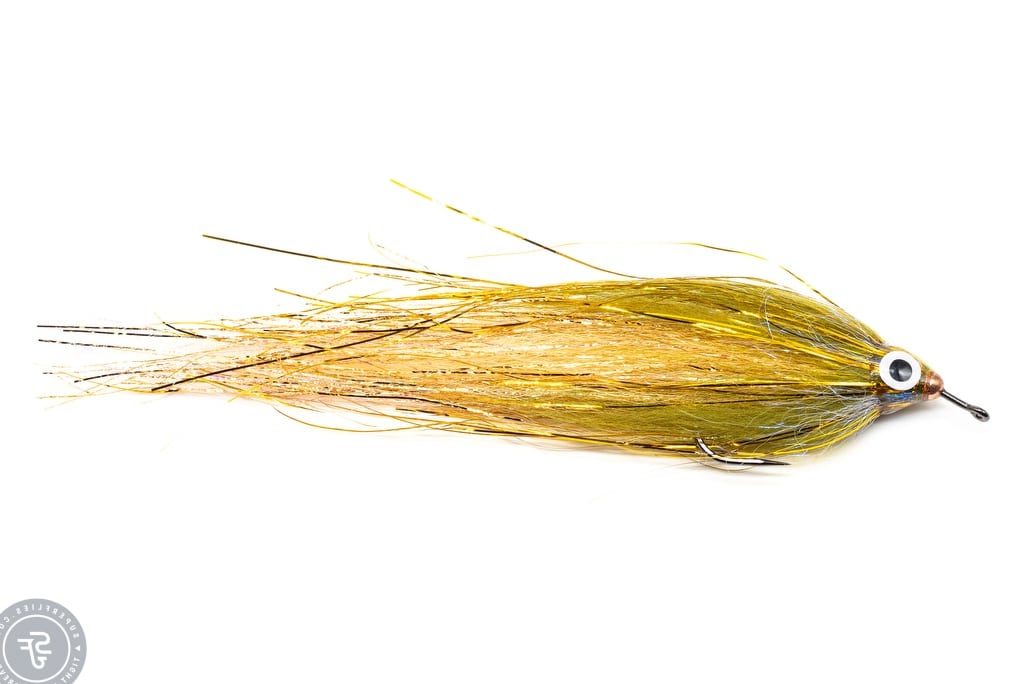
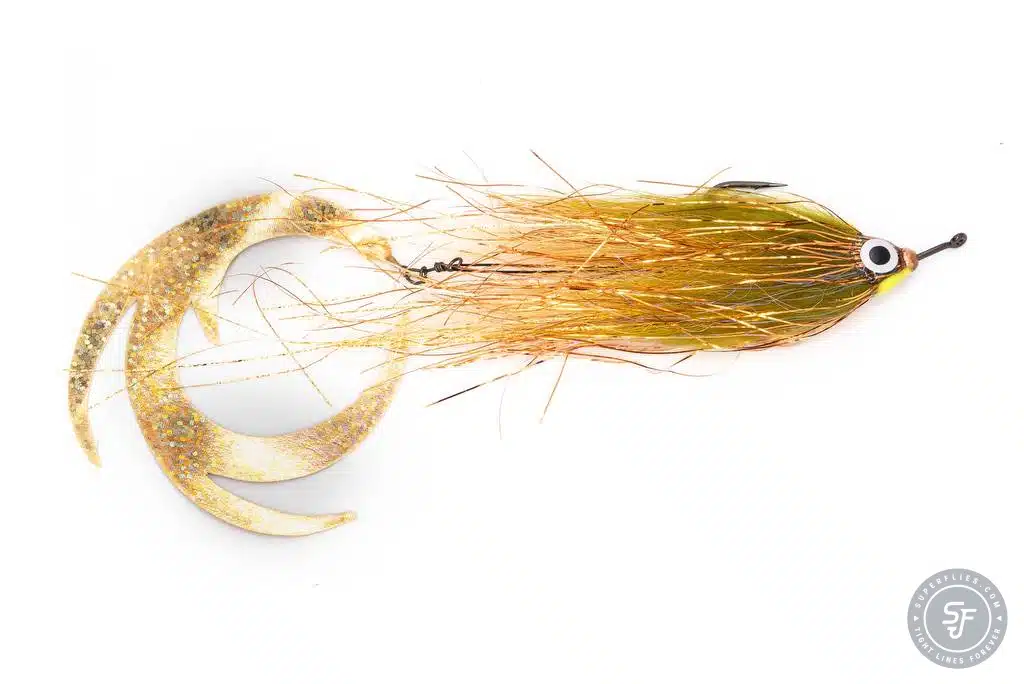
Both the standard options and the more dynamic flies work very well regardless of what fly line you choose to use. I like to mix things up and use the standard pike flies a lot on my sinking line and the dynamic/jigging versions a lot on my floating line. That said, there are certainly times when the jig flies are the best options for your sinking line fishing. Prime examples would be when fishing steeper banks or areas with heavy current or in spots where there’s heavy vegetation and you need to have your hook point up when fishing. The main thing is to offer the fish good-looking snacks at the right depth when you are stripping your flies a bit faster. As the water gets warmer and warmer, the fish are more and more reactive to movement. When the water gets warmer, you should also start carrying a few “mixed bag” flies with you. By that I mean flies that are smaller and work for a multitude of species, like perch and zander, on top of them being superb warm-water pike catchers. Flies like the Perch Clouser Medium, Peacock Bass Clouser, Flashy Jig Fly, and the good old Lefty’s Deceiver. These smaller patterns can really be lifesavers on tricky days.
That’s about it for this time. Be sure to stay tuned, as I’ll be back with another article before you know it!